

All Le Games by Hacksaw Gaming — full series list and differences
14 games in our collection · mechanics · how the series changed
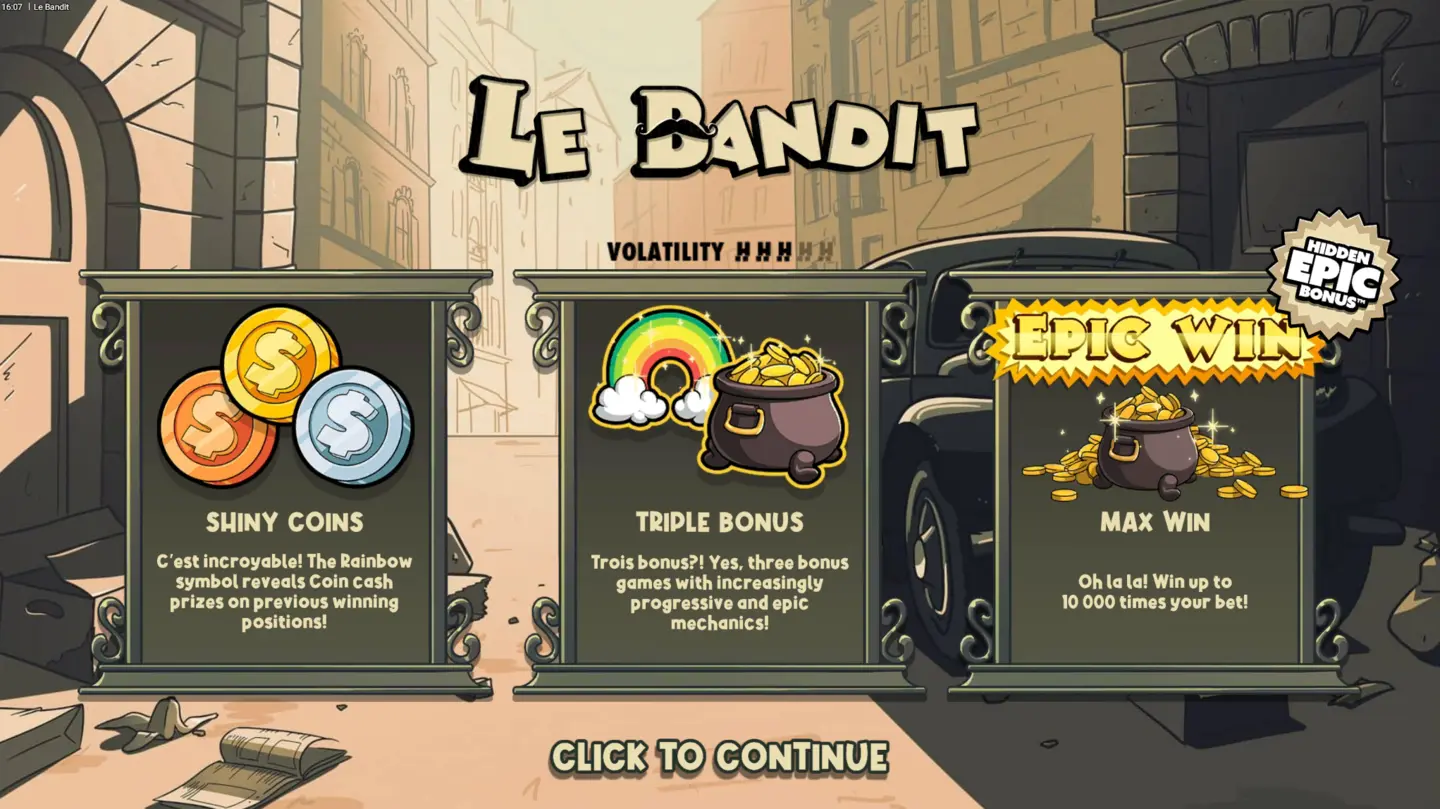
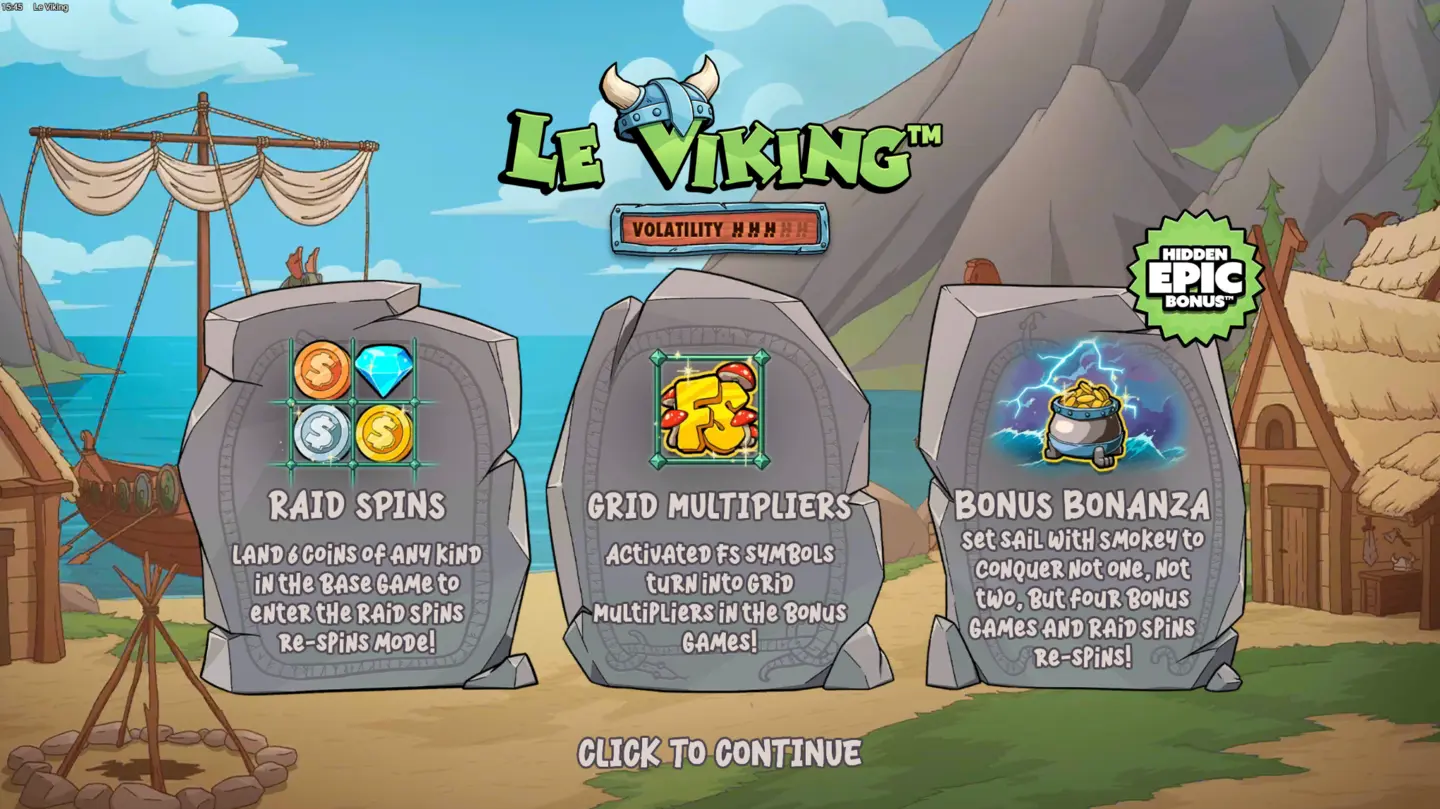
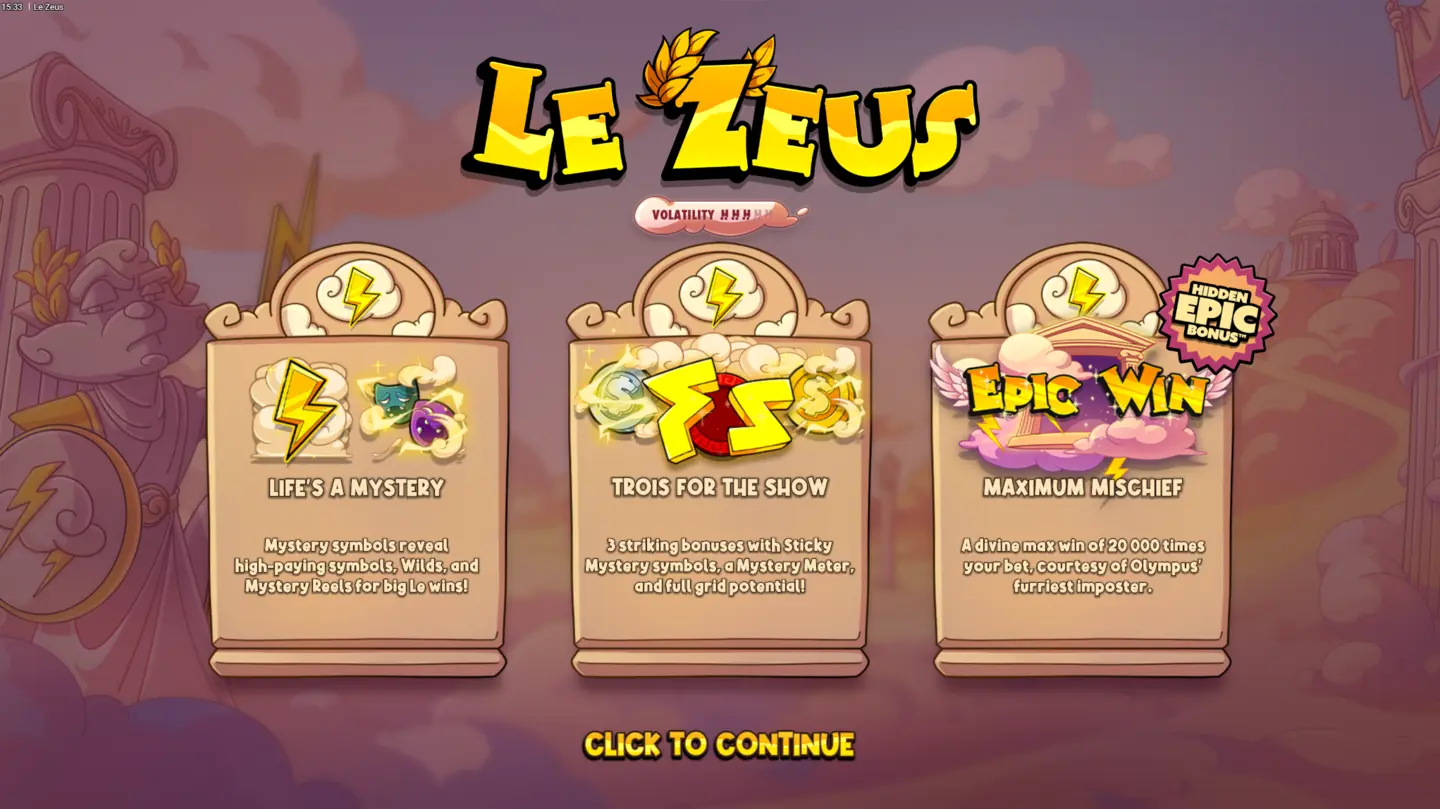
At first glance the Le series can look like one long Hacksaw Gaming joke about a raccoon changing costumes. Smokey becomes a Parisian bandit, a king, a fisherman, a cowboy, a Viking, a pharaoh, Zeus, a football supporter and several other characters. That visual continuity is deliberate, but it can hide how aggressively the developer changes the structure underneath the artwork.
Play two or three releases back to back and the differences become easier to see. Some games preserve the Golden Squares language introduced by Le Bandit. Others shift attention to sticky symbols, mystery reveals, collectors, layers of the grid or complete Hold & Win sequences. The useful way to understand the collection is therefore not “fourteen skins of the same slot”, but several mechanical branches sharing one mascot.
This guide covers the 14 Le / Smokey games currently available in our collection. The series can grow, so we are not claiming that these are every Le release ever made. The purpose is to provide a stable map of the titles we actually cover and to explain where each one sits inside the broader design language.
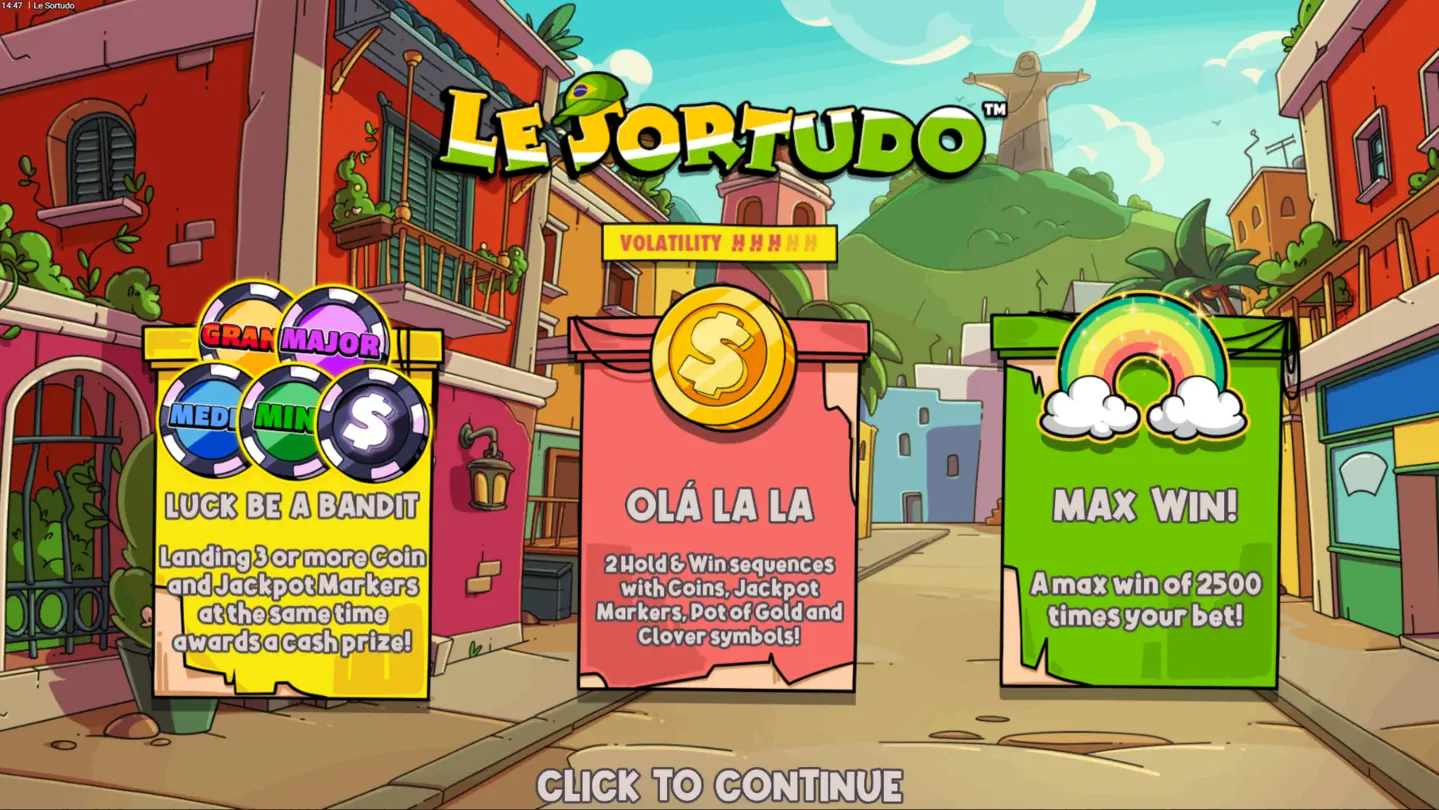
Smokey is the visual link between the games, but the mechanics are not one repeated template. Le Bandit is built around cascades and Golden Squares, Le Zeus around Mystery Reveal, Le Viking around collect/re-spin play, while Le Sortudo uses paylines and two Hold & Win modes.
We compared the rules, win systems and persistent states of all 14 games currently represented on Le Games. The groups below describe what actually happens on the grid rather than simply sorting the titles by theme or release date.
Contents
All Le Games in our current collection
The table is the quickest way to see the spread of ideas. The “core idea” column names the mechanic we use as the primary reference point; the last column explains why the game feels different in practice. Clicking a title opens the dedicated game page rather than another copy of this article.
The important pattern is that the early Golden Squares family remains visible, but it is no longer the whole series. Le Viking, Le Zeus, Le Digger, Le Pharaoh and Le Sortudo each change a different layer of the experience: how symbols persist, how the grid develops, how a feature is revealed or even how wins are formed.
| Game | Core idea | What changes |
|---|---|---|
| Le Bandit | Super Cascades + Golden Squares | The baseline of the series: cascades, marked cells and Rainbow activation. |
| Le King | Golden Squares + Jackpot Markers | Keeps Golden Squares but adds Treasure Pots and Jackpot Markers. |
| Le Viking | Raid Spins + Grid Multipliers | Collect/re-spin structure with Coins, Diamonds, Raid Spins and Grid Multipliers. |
| Le Pharaoh | Sticky Re-drops + Golden Riches | Sticky winning symbols combine with re-drops and Golden Riches. |
| Le Zeus | Mystery Reveal + Sticky Respins | Mystery symbols drive reveals, Mystery Reels and sticky respins. |
| Le Cowboy | Super Cascades + Revolver Reveal | A Wild can become a Revolver Cylinder after cascade activity. |
| Le Santa | Golden Squares + Jackpot Boxes | Golden Squares return with Jackpot Boxes, Santa Sacks and upgraded bonus states. |
| Le Fisherman | Golden Squares + Buckets | Buckets, Global Buckets and Epic Rainbow make collection more interconnected. |
| Le Bunny | Golden Squares + Jackpot Eggs | A classic Golden Squares branch with Clover, Basket and Jackpot Eggs. |
| Le Digger | Layers + Dynamite + Golden Reveals | Winning positions and Dynamite remove layers and expose deeper states of the grid. |
| Le Football Fan | Marked Squares + Rainbow | A football-themed Smokey branch with localized visual versions. |
| Le Hooligan | Golden Squares + Buckets | Football theme combined with Golden Squares, Rainbow and Buckets. |
| Le Prechaun | Golden Squares + Position Multipliers | Position Multipliers make individual grid locations retain extra value. |
| Le Sortudo | Hold & Win | Paylines and two Hold & Win modes move far away from the original cluster formula. |
Le Bandit is the easiest starting point for understanding the series
Le Bandit is useful as a reference because its sequence is easy to describe. Winning symbols disappear through Super Cascades, the positions they used become Golden Squares, and a Rainbow can later activate those marked cells. The spin therefore has two timelines: the immediate cluster win and the evolving state of the grid.
That idea — an event leaving something behind for the next event — becomes one of the recurring design habits of the Le universe. Later games may replace Golden Squares with layers, sticky symbols or multipliers, but they keep asking the player to watch what survives after the first result rather than treating every moment as completely isolated.
For that reason Le Bandit is not automatically the “best” Le game; it is simply the clearest mechanical baseline. Once its flow is understood, the changes in King, Fisherman, Prechaun, Zeus or Viking become much easier to recognize.
Golden Squares became a branch rather than a fixed formula
Le King, Le Santa and Le Bunny stay close to the familiar pattern, yet each changes what can happen after the marked positions are activated. Treasure Pots and Jackpot Markers alter Le King’s payoff sequence. Santa Sacks and Jackpot Boxes give Le Santa a different set of feature states. Le Bunny uses Clover, Basket and Jackpot Eggs to create its own collection logic.
Le Fisherman and Le Hooligan make the same family more interconnected. Buckets can depend on nearby values, Global Buckets can reach across the grid, and Epic Rainbow can expose several special positions in a single sequence. What matters is no longer only whether a Golden Square exists, but where collectors appear and in which order they interact.
Le Prechaun adds another layer with Position Multipliers. A specific cell can become more important than its neighbors because its multiplier can influence later events. That small change gives the grid a kind of local memory and shows how Hacksaw can preserve the recognizable Golden Squares language without repeating Le Bandit move for move.
Cowboy, Digger, Zeus and Pharaoh change the flow of the spin itself
Le Cowboy keeps Super Cascades but gives Wild symbols a delayed role. A Wild involved in the cascade sequence can become a Revolver Cylinder, and its separate reveal phase happens after the normal wins resolve. The feature changes the order of attention: first the cascade, then the revolver interaction.
Le Digger is more literal about progression. The grid contains layers and winning events, together with Dynamite, remove those layers. Reaching deeper states can open Golden Reveals. Instead of asking which squares have previously won, the game asks how far individual positions have been excavated. The history is stored in depth rather than in a simple gold marker.
Le Zeus centers the suspense on Mystery Symbols and Mystery Reels. The key question is what the concealed symbols reveal and whether that reveal creates another sticky respin. Le Pharaoh uses yet another route: winning symbols can remain in place during re-drops while Golden Squares develop toward Golden Riches. Both games make continuation mechanics more important than the first line or cluster result.
Le Viking and Le Sortudo show how far Smokey can move from Le Bandit
Le Viking is one of the clearest breaks from the original rhythm. Raid Spins create a collect/re-spin structure in which special symbols stay on the grid, successful additions can restore the available lives, and Coins, Diamonds, Grid Multipliers and other modifiers build the value of the feature. The shared character is obvious; the underlying loop is much less similar to Le Bandit.
Le Sortudo goes even further by using paylines and two Hold & Win modes. Familiar names such as Rainbow, Clover or Pot of Gold may still appear, but they operate inside a different framework. This is important when judging the series: repeated iconography does not mean repeated mathematics or repeated timing.
Taken together, Viking and Sortudo demonstrate why “Le game” is now better understood as a universe or label than a strict mechanical family. Smokey provides continuity while the developer is free to rebuild the structure underneath him.
Football Fan and Hooligan form a thematic side branch
Le Football Fan is notable because the football concept can be localized for different markets. Smokey’s colors and presentation can change with the region, so the same central idea works as a family of visual editions rather than a single costume used everywhere.
Le Hooligan shares the football atmosphere but mechanically returns closer to the Golden Squares vocabulary, with marked winning cells, Rainbow, Coins, Clover and Buckets. Two games can therefore be visually adjacent and still occupy different positions on the mechanical map.
This is a useful reminder not to classify the series from thumbnails alone. Theme tells you who Smokey is pretending to be; the paytable and feature sequence tell you how the game actually behaves.
A practical map of the Le Series mechanics
For navigation, we group the collection into four broad mechanical families. The first is the Golden Squares branch: Bandit, King, Santa, Bunny, Fisherman, Hooligan and Prechaun. The second contains titles that alter the development of the grid or the order of reveals: Cowboy, Digger, Zeus and Pharaoh.
Le Viking forms the clearest collect/re-spin branch, while Le Sortudo represents the Hold & Win direction. Football Fan sits beside the map as a thematic example because its importance lies more in localization and presentation than in extending one of the main mechanical families.
These groups are editorial tools, not official categories published by Hacksaw Gaming. They help answer a practical question: if you enjoy one game, which other releases preserve the part of its structure you actually care about?
What the Le Games genuinely have in common
The most obvious connection is Smokey, but the stronger design connection is persistence. A Golden Square remembers a used position. A sticky re-drop keeps symbols. Layers preserve progress through the grid. Position Multipliers make individual cells matter across later events. Hold & Win keeps special symbols between respins. Different features repeatedly turn the previous event into context for the next one.
That is why the series can feel coherent even when the win system changes from Cluster Pays to paylines or ways. The visual joke changes every release, but the player is often encouraged to track a state that develops rather than stare only at the current payout.
The differences are equally important. RTP configurations, volatility, maximum win, win type and bonus structure are not interchangeable. Anyone comparing the games should treat the mascot as a guide to the universe, not as evidence that two titles share the same model.
Which Le game is easiest to start with?
If the goal is to understand how the series developed, Le Bandit remains the most logical first stop because its Golden Squares and Rainbow sequence provides a vocabulary that later games either extend or deliberately abandon. After that, Le King or Le Fisherman shows how collectors can make the original structure denser.
For a bigger change, Cowboy and Digger alter how a spin develops, Zeus and Pharaoh focus on reveal or re-drop chains, Viking moves into collect/re-spin play, and Sortudo shows the Hold & Win direction. This order is not a ranking from easy to difficult or from bad to good; it is simply a way to observe the evolution with fewer conceptual jumps.
If you would rather choose by numbers, use our separate comparison of Le Games by RTP, Max Win, volatility and mechanics. That article uses one methodology across the same 14 games so the figures can be read alongside the structural differences described here.
compare Le Games by RTP, Max Win, volatility and mechanics.
The Le Series is now much bigger than the original Bandit formula
Le Bandit remains the clearest point of reference, but calling every later release a reskin misses what Hacksaw has done with the collection. King, Santa, Bunny, Fisherman, Hooligan and Prechaun continue the Golden Squares language; Cowboy and Digger alter the grid; Zeus makes mystery reveals central; Pharaoh combines sticky re-drops with Golden Riches; Viking turns toward collection; Sortudo changes the win framework.
That variety is the reason this page is designed as a living hub. When another Le game is added to our collection, the useful update is not merely another name in a list. We also need to decide which mechanical branch it belongs to, which existing title it resembles, and which assumptions from older releases no longer apply.
For readers, the simplest takeaway is to choose by mechanic first. The costume tells you the theme, but the mechanic tells you what you will actually be following on the grid.
Open the Le Games collection
Each title has its own page with specifications, rules, mechanic notes and a demo where available. Use this guide to choose a mechanical branch, then open the individual game for the exact rules.
 Compare Le games by data