

Le Football Fan
LE GAMES COMPARISON · 14 GAMES
Which Le Game is better? RTP, Max Win, volatility and mechanics compared
RTP · Max Win · volatility · win systems · mechanics
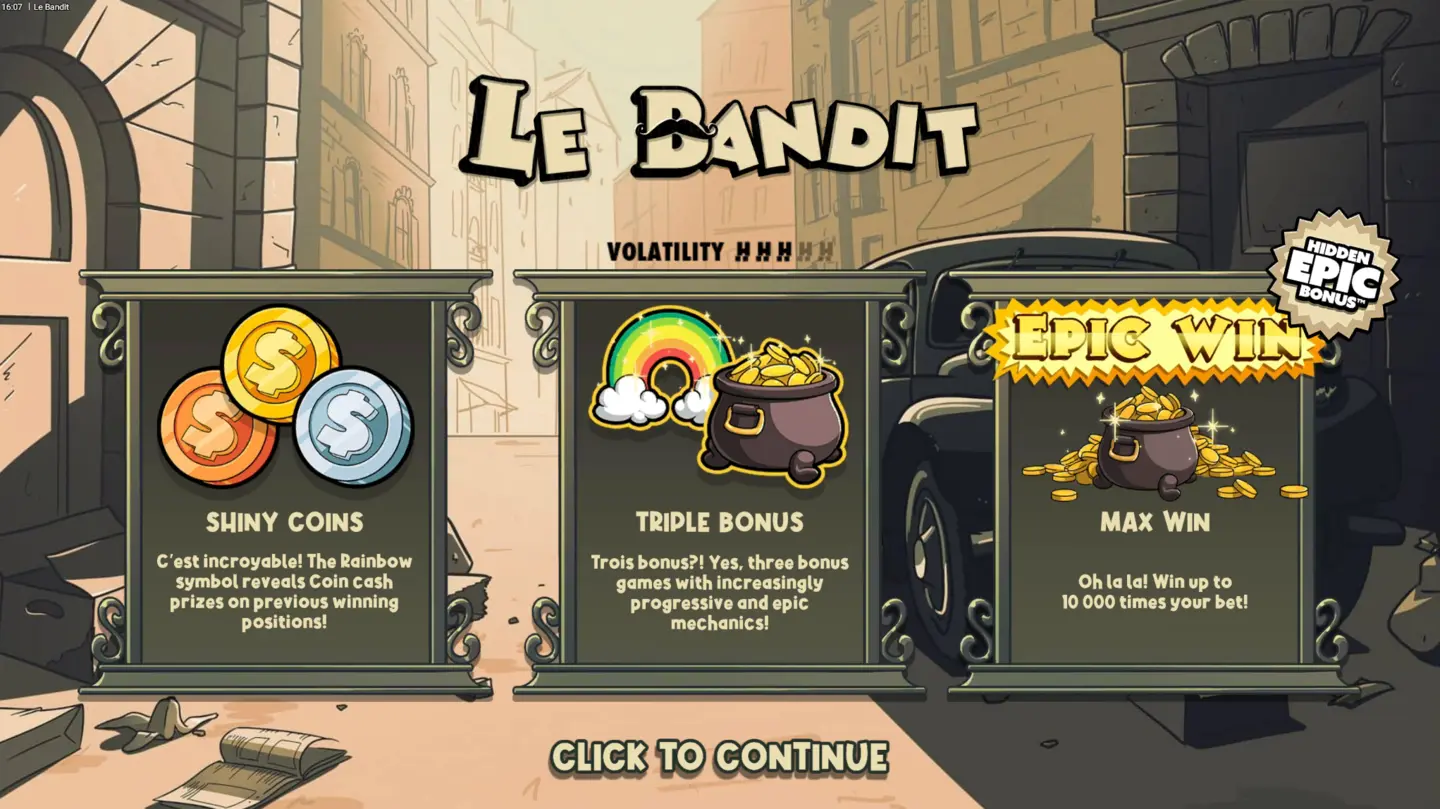
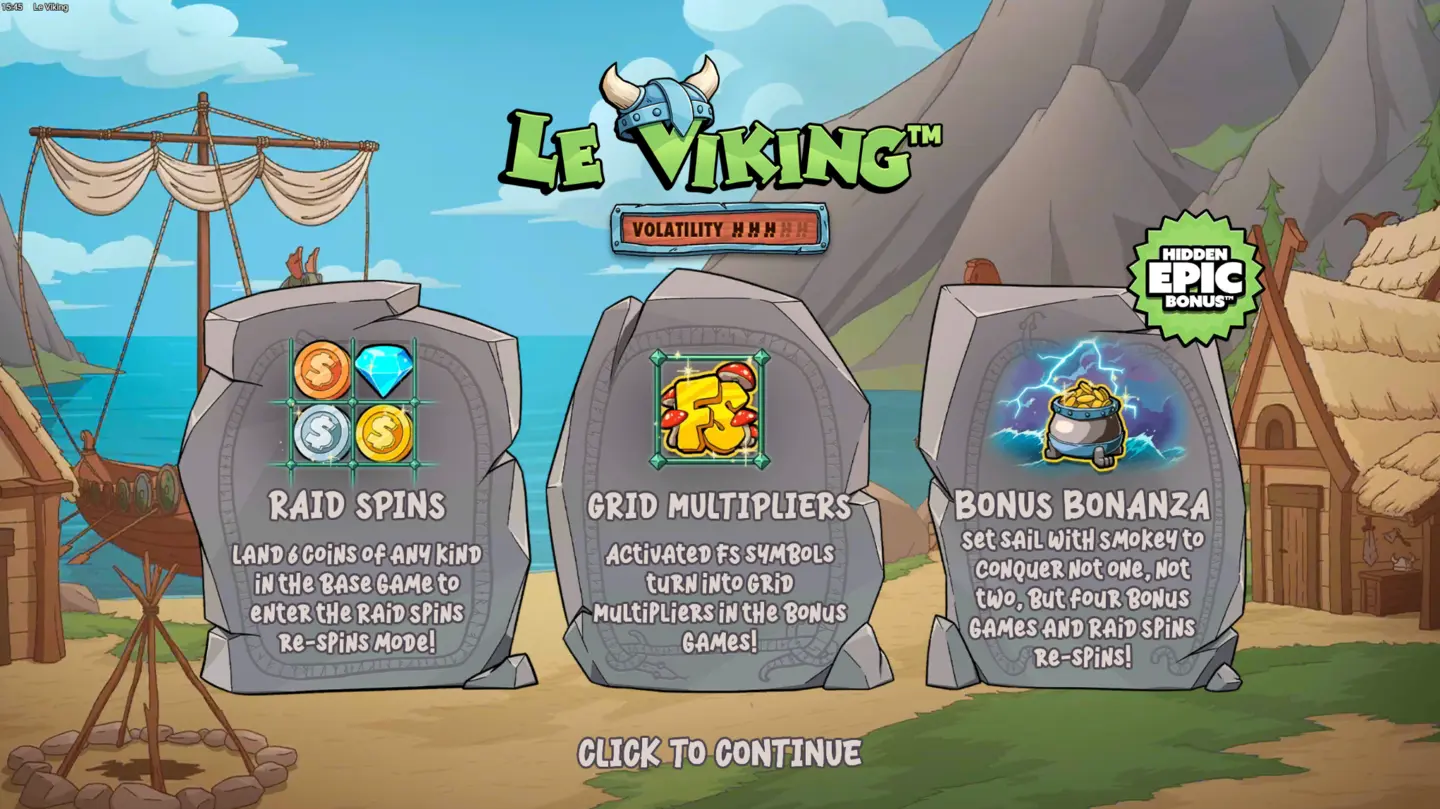
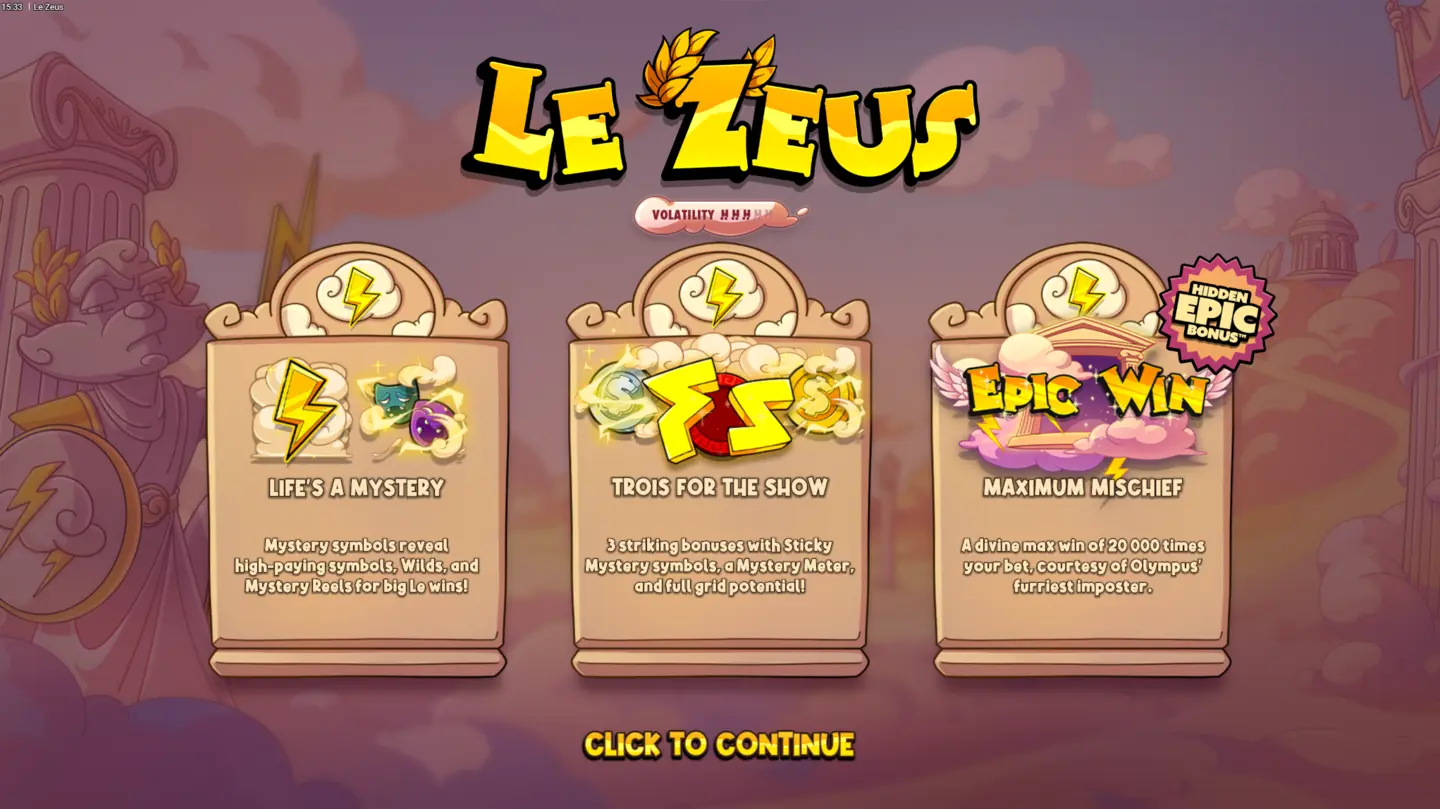
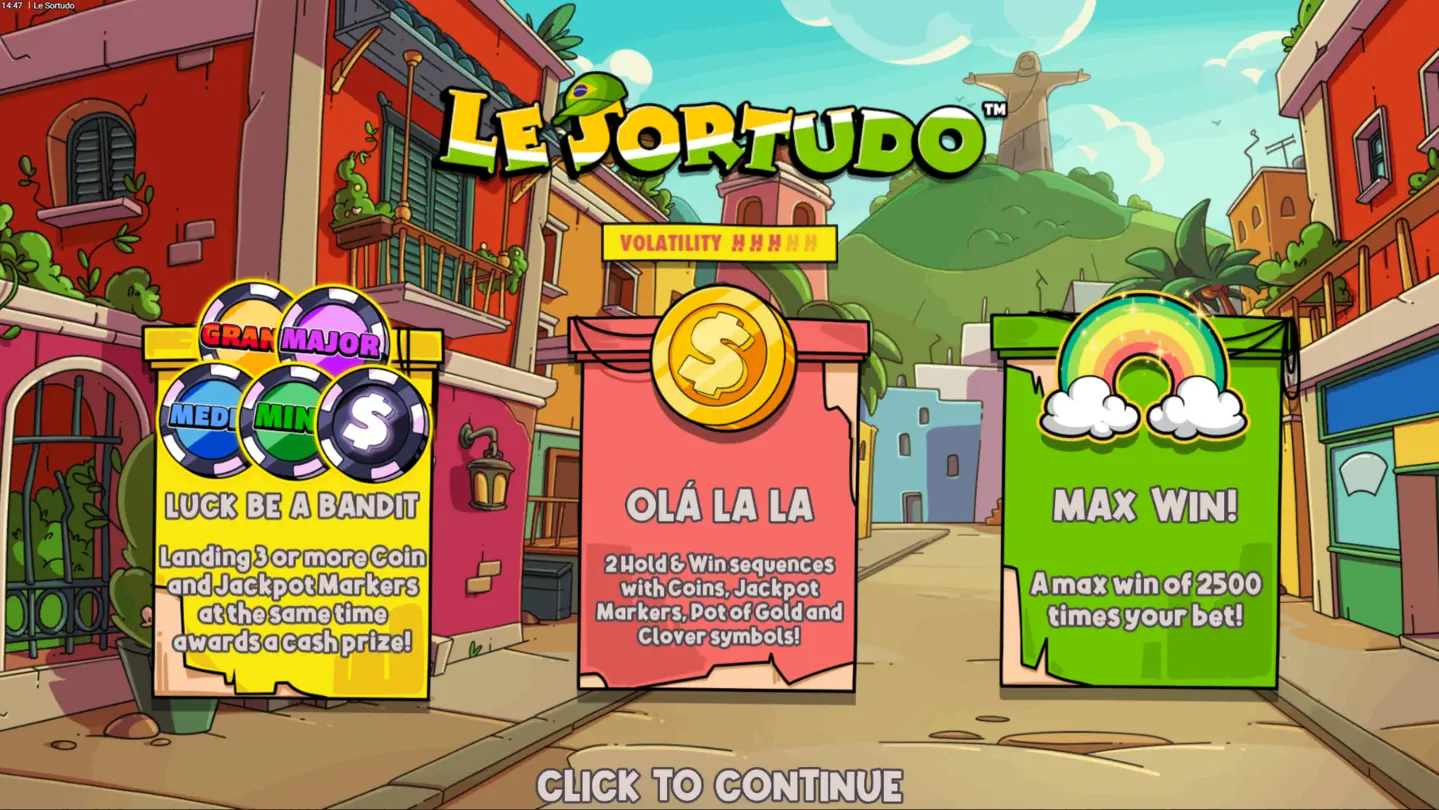
Two Le games can look like siblings on the loading screen and behave very differently once the first feature starts. Smokey, Rainbow symbols and the same sense of humor create a strong family resemblance, but those elements do not tell you whether the title uses clusters, paylines, ways, sticky re-drops, collect/re-spin play or Hold & Win.
That is why the question “which Le game is better?” needs to be broken into measurable parts. A higher RTP configuration does not mean a short session will return more money. A larger Max Win is a ceiling, not a frequency. A 5/5 volatility score is not a quality rating. And two titles with similar figures can still feel unrelated because their central mechanics develop the grid in different ways.
We compare the same 14 games currently covered in our Le collection. If you first want the history and mechanical branches of the series rather than the numerical comparison, read our separate guide to all Le Games. all Le Games and their mechanical branches.
How this comparison works
For each game we use five comparable fields: the highest/main RTP configuration stored in the current project dataset, maximum win, Hacksaw volatility score, win type and central mechanic. Numbers are descriptive characteristics, not promises about a session.
Contents
Le Games comparison: RTP, Max Win and volatility
The table puts the shared fields in one place. It is deliberately not a ranking. Use the sorting controls to inspect one numerical parameter, then read the mechanic column before drawing a conclusion. A small difference in RTP does not erase a large difference between a cluster cascade and a Hold & Win feature.
The game names link to the dedicated pages, where the active specifications, rules and individual feature notes are easier to inspect. Keeping detailed reviews on those pages also prevents this comparison from becoming fourteen mini-reviews stitched together.
| Game | RTP | Max Win | Volatility | Win type | Mechanic |
|---|---|---|---|---|---|
| Le Bandit | 96.34%* | 10,000× | 3 / 5 | Cluster Pays | Super Cascades + Golden Squares |
| Le King | 96.14%* | 20,000× | 3 / 5 | Cluster Pays | Golden Squares + Jackpot Markers |
| Le Viking | 96.32%* | 10,000× | 4 / 5 | Ways | Raid Spins + Grid Multipliers |
| Le Pharaoh | 96.18%* | 15,000× | 3 / 5 | Paylines | Sticky Re-drops + Golden Riches |
| Le Zeus | 96.26%* | 20,000× | 3 / 5 | Paylines | Mystery Reveal + Sticky Respins |
| Le Cowboy | 96.28%* | 25,000× | 3 / 5 | Cluster Pays | Super Cascades + Revolver Reveal |
| Le Santa | 96.14%* | 20,000× | 3 / 5 | Cluster Pays | Golden Squares + Jackpot Boxes |
| Le Fisherman | 96.33%* | 15,000× | 3 / 5 | Cluster Pays | Golden Squares + Buckets |
| Le Bunny | 96.14%* | 20,000× | 3 / 5 | Cluster Pays | Golden Squares + Jackpot Eggs |
| Le Digger | 96.26%* | 15,000× | 3 / 5 | Cluster Pays | Layers + Dynamite + Golden Reveals |
| Le Football Fan | 96.41%* | 2,500× | 2 / 5 | Cluster Pays | Marked Squares + Rainbow |
| Le Hooligan | 96.34%* | 10,000× | 3 / 5 | Cluster Pays | Golden Squares + Buckets |
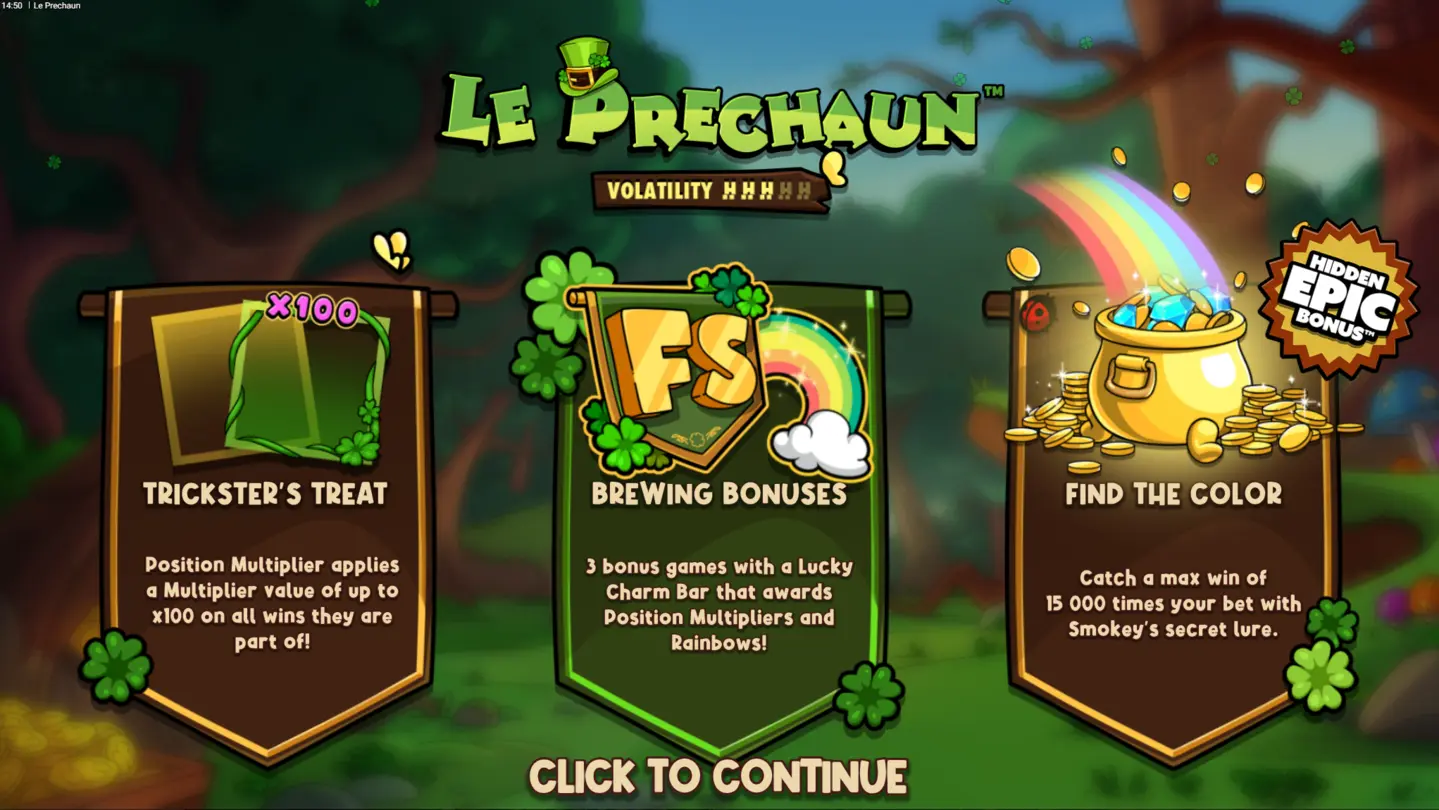
| Le Prechaun | 97.52%* | 15,000× | 3 / 5 | Cluster Pays | Golden Squares + Position Multipliers |
| Le Sortudo | 96.27%* | 2,500× | 3 / 5 | Paylines | Hold & Win |
* Some Hacksaw Gaming titles are distributed in several RTP configurations. The table uses the highest/main configuration in our current dataset so that the 14 games are compared with one consistent method. The active version at a specific operator can be lower or otherwise different.
Which Le Game has the highest RTP?
RTP is a long-run mathematical return value for a specific game configuration. If a build is listed at 96%, that does not mean a player has a 96% chance to win a spin and it does not mean a short session will return 96% of the amount wagered. The figure only becomes meaningful over a very large statistical sample.
The current dataset shows the highest/main configuration for each title so the comparison uses the same rule throughout. That matters because Hacksaw often supplies more than one RTP version of the same game. An operator may select a lower configuration, which means the number displayed inside the actual game should always take priority over a general review.
The chart is therefore best used to see the range across the collection, not to predict the next result. Differences of a few tenths of a percentage point are real configuration differences, but they are not a forecast for an individual player.
How to read Max Win without turning it into a ranking
Max Win is simpler to define: it is the maximum payout multiple permitted by the game model relative to the stake. If a title has a 20,000× ceiling, that describes the top boundary built into the rules. It does not reveal how often the game approaches that boundary or how a normal session is distributed.
The Le collection contains a wide range of ceilings, which makes the Max Win chart useful as a specification comparison. Still, a game with a lower ceiling can have a mechanic you prefer, a different volatility profile or a much clearer feature structure. The number answers “how high is the cap?”, not “which game is better?”.
This distinction is especially important when comparing visually similar titles. Shared characters and feature names can make two releases look close, while their maximum potential and the path toward bonus states differ substantially.
What volatility changes in practice
Volatility describes the distribution profile of outcomes rather than the size of the theoretical return. Two games may have similar RTP values and completely different volatility scores. In one model, more of the potential may be concentrated in rarer scenarios; in another, the distribution can be less extreme.
Hacksaw’s scale is useful for grouping the collection, but it should not be read as stars in a review. A 3/5 game is not automatically safer or better, and 5/5 is not “hard mode”. It is simply a different mathematical profile that can change how the sequence of results feels.
The groups below are generated from the same structured dataset as the table. When a specification changes, the page can be updated from one source instead of manually rewriting several claims.
Le Bandit, Le King, Le Pharaoh, Le Zeus, Le Cowboy, Le Santa, Le Fisherman, Le Bunny, Le Digger, Le Hooligan, Le Prechaun, Le Sortudo
Le Viking
Mechanics create larger differences than the headline numbers
If the mechanic matters more than the numbers, see our comparison of how Golden Squares change across Le Games.
If you look only at RTP and Max Win, several Le games sit close together. The mechanics tell a much richer story. Le Bandit uses Super Cascades and Golden Squares, where winning positions become part of a later activation. Le King, Fisherman and Prechaun extend that language with collectors, jackpot markers or positional multipliers.
Le Zeus moves attention to Mystery Symbols and the sequence of reveals. Le Pharaoh makes sticky re-drops central. Le Digger stores progress in layers below the grid. Le Viking creates a collect/re-spin loop with Raid Spins and Grid Multipliers. Le Sortudo changes the base framework again with paylines and Hold & Win.
So two games with almost identical RTP can still demand attention to completely different things. The numbers describe the model; the mechanic describes what the player is actually watching from event to event.
If you like Le Bandit, what should you try next?
For someone who specifically likes Golden Squares, the shortest conceptual jump is Le King, Le Santa or Le Bunny. The familiar idea remains visible, but the symbols revealed from marked positions and the bonus interactions change. Le Fisherman makes collectors more important, while Le Prechaun gives individual positions their own multiplier history.
This route is useful because it preserves the basic logic while adding one layer at a time. It also makes the developer’s design changes easier to spot: you can see which parts of Bandit were retained and which were replaced instead of learning an entirely new framework with every release.
None of these titles is automatically an upgrade. They are simply nearby branches for people who want the same mechanical language with more collectors, jackpot elements or positional behavior.
If you want something far from the original Bandit formula
The opposite route starts with Zeus, Digger, Pharaoh, Viking and Sortudo. Zeus replaces the Golden Squares rhythm with Mystery Reveal tension. Digger makes the depth of the grid the visible progress indicator. Pharaoh builds chains through sticky re-drops. Viking turns the feature into a collect/re-spin system.
Sortudo is the strongest structural contrast because paylines and Hold & Win modes change even the framework in which the familiar symbols operate. It is still unmistakably part of the Smokey universe, yet the relationship to Bandit is mostly thematic rather than mechanical.
These releases are useful proof that the Le label has become broader than one successful formula. The character can survive a complete redesign of the gameplay loop.
Simple mechanics and dense mechanics are different preferences
Le Bandit can be summarized in a compact chain: win, cascade, Golden Squares, Rainbow. That makes it a convenient reference for learning the series. Le King adds more objects on top of the same foundation. Fisherman and Prechaun ask the player to track collectors or position-specific effects as well.
Viking, Pharaoh and Zeus require more attention to what remains on the grid, what is revealed next and which event can continue the sequence. That does not make them objectively better or worse. Some readers prefer a feature that can be understood in one sentence; others enjoy seeing several states interact.
When comparing games, “complexity” should therefore describe the number of interacting rules, not a judgment about skill. Slots remain games of chance regardless of how many feature layers they contain.
Choose a Le Game by mechanic
The quickest practical filter is to decide which type of state change interests you. The cards below link directly to the games that best illustrate each branch. They are not “best for” recommendations and they do not imply a better expected result; they are navigation by feature design.
If a category feels familiar, open the individual page and check the exact paytable, RTP version and bonus rules before using a demo or an operator build. That is more useful than selecting a game from one headline number.
I want Golden Squares
Stay close to the original persistent-cell language.
I want Mystery reveals
Focus on concealed symbols and reveal chains.
I want the grid itself to evolve
Follow layers rather than only symbol values.
I want sticky re-drops
Build continuation chains with symbols that remain.
I want collect / re-spin play
Keep special symbols and build the feature state.
I want Hold & Win
Use the branch furthest from the original cluster framework.
So, which Le Game is actually better?
There is no single defensible answer across all criteria. Sorting by RTP produces one order. Sorting by Max Win produces another. Grouping by volatility changes the picture again. Choosing by mechanic can ignore those numerical orders almost completely because the preference is about how the grid develops.
Our practical order is mechanic first, volatility second, then RTP and Max Win as context. This prevents the comparison from turning into a false league table of “good” and “bad” slots and keeps each statistic in the role it can actually support.
If you only want to understand the Le universe, begin with Bandit and follow the mechanical branches. If you already know the series, use the table to narrow the collection and then verify the exact build on the individual game page.
A useful comparison should reduce choices, not invent a winner
The strongest conclusion from the dataset is that the Le collection is mechanically broader than its repeated character suggests. Some titles are close relatives, while others share little beyond Smokey and a visual vocabulary. That is why a single score would hide more information than it reveals.
This page will be updated as the collection changes. The table, charts and grouped volatility data are generated from one structured source, while the editorial sections explain what those figures cannot: how the features change the sequence of play and which games occupy genuinely different branches.
Editorial conclusion
There is no honest universal winner. Le Bandit is the clearest reference point, but the most meaningful differences appear where Hacksaw changes the grid state, reveal sequence or entire win framework. Choose the mechanic first, then volatility, and use RTP and Max Win as context rather than a scoreboard.
 All Le games explained